Yersinia enterocolitica: The Hidden Killer Lurking in Chilled Meat and Raw Water – Stay Alert
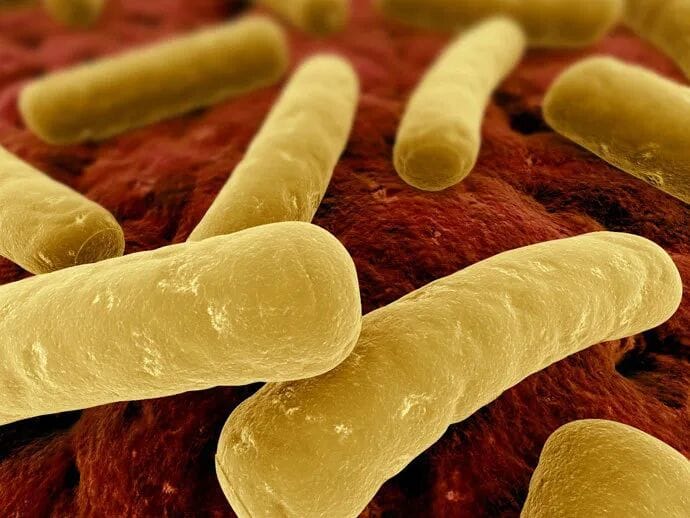
Yersinia enterocolitica is a cold-resistant intestinal bacterium. It can survive and multiply under refrigeration at 4°C. Commonly found in raw meat and raw water, it can silently infect dogs and cats and trigger severe gastrointestinal disorders. Young pets and immunocompromised animals are particularly vulnerable; infection may lead to critical illness and even death. As a zoonotic pathogen, it can also spread to human family members if handled improperly.
01 First, understand: What makes this bacterium so “special”?
Yersinia enterocolitica is a common opportunistic pathogen in the intestines of dogs and cats. Its defining trait is cold resistance, which is why it is so often overlooked. Keep these four key points in mind:
- Cold-resistant superbug: It survives and slowly multiplies at 4°C refrigeration (such as the fridge compartment). Conventional freezing cannot eliminate it, and raw chilled meat and untreated water are its main hiding spots. However, it can be easily inactivated by heating at 60°C for 10 minutes.
- Easy disinfection: The bacterium is susceptible to chlorine-based disinfectants (84 disinfectant), peracetic acid and 75% ethyl alcohol. Proper routine disinfection can completely eradicate it, so there is no need for excessive worry.
- Zoonotic risk: It infects both dogs, cats and humans. The elderly, children and pregnant women are high-risk groups. Human infections cause diarrhea, abdominal pain and fever.
- Highly concealed carriage: Asymptomatic carriage rate in healthy dogs and cats ranges from 5% to 15%. The rate rises in multi-pet households and stray animals. Carriers show no clinical signs yet continuously shed bacteria, and sudden outbreaks occur when pets are under stress.
02 How does infection happen? Which pets are at high risk?
Transmission of this bacterium is closely linked to pet feeding habits. Owners who feed raw meat or let pets drink raw water must pay close attention!
Main transmission routes (Avoid these risks!)
- Contaminated food & water (primary route): Feeding undercooked refrigerated raw meat, raw dairy products, or allowing pets to drink untreated tap water is the leading cause of infection.
- Fecal-oral transmission: Faeces from infected or carrier pets contaminate litter boxes, food bowls and floors; healthy pets get infected by licking contaminated surfaces.
- Indirect cross-transmission: Owners handle raw meat without washing hands before touching pets or their supplies, causing cross-contamination.
- Bidirectional zoonotic spread: Humans can infect pets, and pets can also transmit the bacteria to humans; it acts as a two-way infectious source between people and animals.
High-risk pets (Require extra protection!)
- Puppies & kittens aged 1–6 months: Their immune systems and intestinal barriers are immature, making them most susceptible to severe infection.
- Pets fed raw meat or raw water: Their infection risk is over five times higher than pets eating cooked food and boiled water.
- Immunocompromised pets: Those without core vaccinations, suffering from severe illnesses, long-term hormone medication, or chronic diarrhoea.
Low-risk group: Adult dogs and cats with sound immunity, fed cooked diets and boiled water. Most only carry bacteria asymptomatically and rarely develop clinical illness.
Epidemiological features
- Highest incidence in winter and early spring (low temperatures favour bacterial survival); sporadic cases occasionally occur in summer.
- Incubation period: 3–7 days; diarrhoea and fever develop within 1–2 days post-infection.
- Mostly sporadic cases; clustered outbreaks frequently appear in multi-pet
03 What symptoms appear after infection? (Differences between dogs and cats for easy identification)
The core manifestation is intestinal discomfort, and severity depends on the pet’s age and immune status. There are slight clinical differences between dogs and cats, so owners can make a preliminary judgment by comparison:
✅ Clinical signs in dogs (more frequently seen) Mild cases (mostly adult dogs): Pasty or watery stool in yellowish-white or yellow-green with a small amount of mucus; mild hematochezia in some individuals. Defecate 3–5 times daily with occasional 1–2 vomiting episodes. Slight fever or afebrile; normal mental state and appetite; spontaneous recovery within 3–5 days.
Severe cases (mostly puppies): Persistent watery stool and mucohemorrhagic diarrhea (incidence over 60%), defecate 5–10 times per day. Frequent vomiting, high fever (39.5–40.5°C), lethargy and anorexia leading to rapid dehydration. Severe progression may cause bacteremia accompanied by lethargy and cold extremities; the mortality rate reaches 15%–25% without timely treatment.
Chronic infection (rare): Recurrent soft stool and diarrhea, inappetence and weight loss lasting weeks; symptoms worsen with diet changes or stress.
✅ Clinical signs in cats (higher tolerance than dogs)
Mild cases (mostly adult cats): Only slight pasty stool, rare hematochezia; defecate 2–4 times daily. Virtually no vomiting or fever; normal vitality and appetite with rapid recovery after care.
Severe cases (mostly kittens): Watery stool with mild mucus, mild vomiting, anorexia and dehydration; low-grade fever (38.8–39.8°C) and lethargy. Prone to bacteremia presenting as lethargy and pale mucous membranes, with a mortality rate of 10%–20%.
Asymptomatic carriage: Adult cats have a higher carriage rate than dogs. Carriers show no clinical signs but continuously shed bacteria, and clinical infection will break out under stress.
04 What to do if infection occurs? (Home emergency care + hospital treatment for severe cases)
Core principle: Focus on symptomatic supportive care and standardized anti-infection therapy. Pet owners must never abuse antibiotics without professional guidance!
Graded Symptomatic Supportive Treatment (Priority to save lives)
Mild cases (Adult pets, fair vitality, mild diarrhea, afebrile/low-grade fever, slight dehydration)
- Fluid replacement: Primarily subcutaneous fluid therapy with 0.9% normal saline mixed equally with 5% glucose injection at a dosage of 20–30 mL/kg, injected subcutaneously at multiple sites on the back once daily until dehydration is corrected. Pet-specific oral rehydration salts can be administered in small, frequent doses.
- Anti-emetic, anti-diarrheal & mucosal protection: Inject maropitant (1 mg/kg for both dogs and cats, once daily) intramuscularly for vomiting. Oral montmorillonite powder: 250 mg per dose for young pets, 500 mg per dose for adults, administered every 8 hours with a 1–2 hour interval from other medications. Give pet-specific probiotics (Saccharomyces boulardii / Lactobacillus acidophilus) once daily with meals.
- Nutritional support: Feed intestinal care therapeutic diet warmed to 38°C in small, frequent portions to reduce gastrointestinal burden during hospitalization.
Severe cases (Mainly young pets, watery/mucohemorrhagic stool, high fever, moderate dehydration, lethargy, anorexia)
- Fluid replacement: Intravenous infusion is essential; administer normal saline + 5% glucose + sodium bicarbonate at 40–60 mL/kg to reverse dehydration and metabolic acidosis. Supplement trace potassium chloride for hypokalemia, adjust fluid volume daily based on dehydration assessment.
- Anti-emetic, anti-diarrheal & antispasmodic analgesia: Intravenous maropitant for vomiting. Oral kaolin-pectin complex (1–2 mL/kg) to control diarrhea; intramuscular etamsylate (10 mg/kg) for bloody stool. Low-dose intramuscular anisodamine for obvious abdominal tenderness to relieve spasm and pain.
- Mucosa repair & nutrition: Subcutaneous vitamin B complex injection (1–2 mL/kg once daily) to repair intestinal lining. If anorexia lasts over 24 hours, administer 5–10 cm pet nutritional paste twice daily to prevent hypoglycemia.
Critical cases (Bacteremia/sepsis, severe dehydration, somnolence, cold extremities, liver and kidney damage)
- Emergency fluid resuscitation: Rapid IV fluid infusion to correct shock, plus hydroxyethyl starch to expand blood volume. Continuously monitor heart rate, blood pressure and urine output to adjust infusion rate.
- Systemic supportive care: Oxygen supplementation for pale/cyanotic mucous membranes. Hepatoprotective and nephroprotective agents (lipoic acid, renal care powder) based on biochemistry results; avoid drugs with hepatic and renal toxicity.
Standardized Anti-Infection Therapy (Targeted bactericidal treatment)
Antibiotics are only administered to Yersinia enterocolitica-positive confirmed cases. Single-agent therapy for mild infections; combined therapy for severe/critical cases. Core rules: Select cell-permeable sensitive antibiotics, full 7–10 day treatment course, avoid contraindicated drugs for juvenile pets. Bacterial culture & antimicrobial susceptibility test is the gold standard for medication selection. Empiric first-line drugs before lab results are available:
- Enrofloxacin: 5–10 mg/kg for dogs, 2.5–5 mg/kg for cats, oral or subcutaneous injection once daily. Use cautiously in kittens under 6 months due to risk of cartilage injury; safe for puppies.
- Ceftriaxone: 20 mg/kg subcutaneous/IV once daily. High safety profile, first choice for severe juvenile cases, usable alone or combined with enrofloxacin.
Alternative Drugs (For strains resistant to first-line agents per susceptibility test)
- Amikacin: 5–8 mg/kg subcutaneous once daily; must combine with cephalosporins or enrofloxacin (poor efficacy against intracellular bacteria when used alone).
- Sulfamonomethoxine: 20 mg/kg oral once daily. Supplement sodium bicarbonate during treatment to prevent crystalluria; suitable for mild bacteremia.
Anti-Infection Regimen for Critical Cases (Bacteremia/Sepsis)
Combined IV infusion of ceftriaxone + enrofloxacin once daily, plus pet-specific immunoglobulin (1–2 mL/kg) to boost immunity and clear blood-borne bacteria. Extend treatment course to 10–14 days and adjust drugs according to blood culture outcomes.
05 Essential Prevention Guide (Most critical: Block risks at the source)
The core of preventing Yersinia enterocolitica infection is eliminating cold contamination sources. Strictly follow these measures to cut infection risk by 90% — all pet owners must implement them thoroughly.
Food & Water Control (Top priority)
- Never feed raw meat, undercooked refrigerated meat or raw dairy products. All meat must be fully cooked before feeding.
- Only provide boiled cool water for pets; forbid raw tap water or cold outdoor water sources.
- Refrigerated pet food and cooked meat must be boiled and cooled to lukewarm before serving; do not feed straight from the fridge.
- Store pet food in airtight containers. Wash food and water bowls daily to avoid contamination.
Environmental Disinfection & Warm Keeping
- Disinfection: Wipe litter boxes, feeding bowls, floors and toys daily with diluted chlorine disinfectant (84 disinfectant mixed at 1:100) or peracetic acid. Leave the disinfectant for 10 minutes then rinse with clean water. Seal and dispose of faeces promptly, and disinfect contaminated areas right away.
- Warm keeping: Maintain housing temperature at 25–28°C for puppies and kittens. Keep pets warm in cold seasons, avoid cold floors and cold water to reduce stress.
Isolation & Routine Husbandry
- Isolate sick pets immediately for separate raising. Extend isolation for another 7 days after stool returns to normal. Use dedicated care tools and wash hands thoroughly after contact.
- Quarantine new pets for a minimum of 2 weeks before mixing with resident pets. Monitor their stool and mental status; conduct testing if needed to rule out infection before cohabitation.
- Administer core vaccines on schedule and perform regular deworming: monthly for young pets, internal deworming every 3 months for adults to boost immunity.
- For multi-pet households, lower breeding density. Provide separate litter boxes, food bowls and water bowls for each animal.
06 Zoonosis Protection (Protect your family, do not overlook this)
This pathogen transmits bidirectionally, so owners must take personal protective measures to safeguard themselves and household members. Keep these three key rules in mind:
- Wear disposable gloves when cleaning faeces or handling sick pets. After contact, wash hands thoroughly with soap under running water or disinfect hands with alcohol.
- Wash hands and sanitize kitchen utensils immediately after handling raw meat. Do not touch pets or their supplies without cleaning your hands first.
- Elderly people, children, pregnant women and immunocompromised family members shall minimize contact with sick pets and pet faeces. If anyone develops diarrhoea, abdominal pain or fever, seek medical care promptly and inform the doctor of animal exposure history.
Final Friendly Reminder
Although Yersinia enterocolitica is highly concealed, effective prevention can be achieved by adhering to three rules: no raw meat feeding, only boiled drinking water for pets, and regular environmental disinfection. If your pets, especially young puppies and kittens, suffer from diarrhoea or fever, do not dismiss it as trivial gastrointestinal upset and delay intervention. Timely identification and scientific management can protect your pets’ health and prevent cross-infection to your family.