Feline Bocavirus: Analysis & Overview (Kitten Mortality Rate Reaches 40%)
Your cat suddenly suffers from vomiting, diarrhea and bloody stools? Be alert to gastrointestinal pathogen infections. Today we are going to talk about an emerging virus with a rising infection rate — Feline Bocavirus.
As a newly identified high-risk enteric virus for cats, there is currently no commercial vaccine available against it. It is highly contagious and difficult to detect. It is extremely pathogenic to kittens aged 1 to 6 weeks, with a mortality rate of up to 40% in severe cases. Adult cats usually carry the virus asymptomatically while spreading it unnoticeably. Multi-cat households and catteries need to stay extra vigilant.
01. What is Feline Bocavirus?
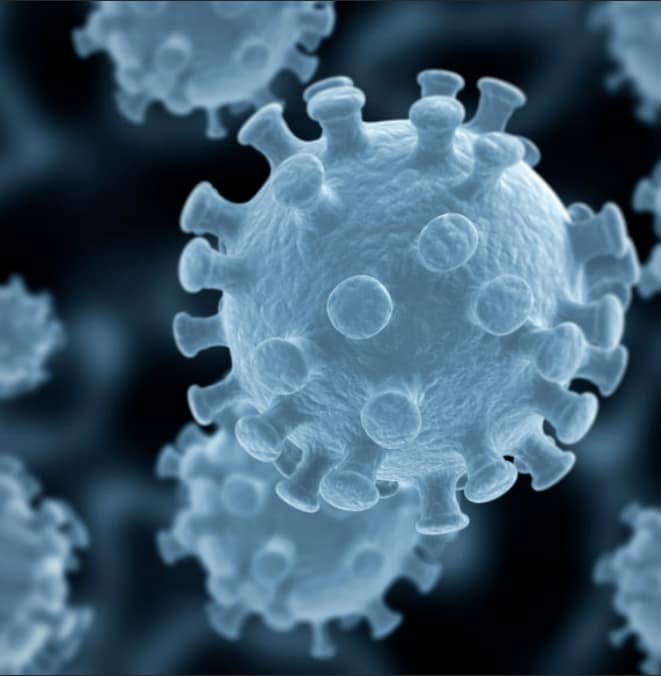
Feline Bocavirus (FBoV) belongs to the Parvoviridae family. It is a non-enveloped DNA virus, a highly resilient enteric pathogen that is difficult to eliminate. There are mainly three genotypes, among which FBoV-1 is most likely to cause clinical diseases in cats.
Key characteristics: It exclusively infects felines, including domestic cats, purebred cats and stray cats, and is not zoonotic to humans. It has strong environmental resistance: it can survive for 2 to 4 weeks at room temperature, and more than one month in cat litter and feces. Alcohol and common disinfectants are ineffective against it.
There are no specific treatments or commercial vaccines. Prevention and control rely entirely on disinfection and isolation, making it harder to manage than feline astrovirus.
The virus is distributed worldwide. The infection rate in multi-cat environments such as catteries, rescue shelters and multi-cat households can reach 60%. It often causes mixed infections with other pathogens.
02. Which cats are most susceptible? How does it spread?
High-risk cats (Key protection required!)
- Kittens aged 1–6 weeks: Highest risk. Maternal antibodies fade rapidly while the immune system is immature. The virus can be transmitted vertically from pregnant queens, causing congenital infection. Onset peaks during weaning.
- Immunocompromised cats: Senior cats, cats with severe illnesses such as tumors, long-term steroid users, and unvaccinated cats. They are prone to infection with prolonged illness courses.
- Pregnant queens: Infected cats may pass the virus to fetuses, resulting in virus-positive newborn kittens.
Low-risk cats
Over 90% of healthy adult cats with complete immunity show no clinical signs, yet they continuously shed the virus and act as invisible infection sources.
Main transmission routes
- Fecal-oral route (Primary): Feces of infected or carrier cats contain massive amounts of virus. Healthy cats get infected by licking contaminated litter boxes, food bowls, floors or their own paws.
- Indirect contact: Virus spreads via owners’ hands, clothes, shoes, and shared toys or bedding.
- Vertical transmission (Unique route): Virus passes from infected pregnant queens to fetuses through the placenta. This route does not exist in feline astrovirus.
- Respiratory transmission (Rare): Only a few strains spread via aerosols from sneezing and coughing, with limited transmission range.
Epidemiological features
Infections occur all year round, with the highest incidence in winter and early spring. Incubation period: 3–7 days. Virus shedding starts 3–5 days post infection. Carriers can intermittently shed the virus for 6 months to 1 year, posing a high hidden risk.
03. Signs of Infection (Easy to Identify & Differentiate)
The core symptoms are intestinal disorders. It resembles feline astrovirus and feline panleukopenia, but a key distinction: feline bocavirus causes bloody stool in 30%-50% of cases, and high fever is rare.
Most Common: Intestinal Symptoms (Over 90% of cases)
Mainly seen in kittens; conditions worsen with co-infection.
- Diarrhea: Watery or pasty stool in yellowish-white or yellow-green. 30%-50% of patients have bloody or mucoid bloody stool with strong odor, 4 to 10 bowel movements per day.
- Vomiting: Common in kittens, 2 to 5 times daily. Undigested food or gastric fluid is vomited; bile may appear in severe cases.
- General signs: Loss of appetite, lethargy, dull coat. Kittens develop rapid dehydration (sunken eyes, poor skin elasticity, dry nose), weight loss and even hypothermia.
- Severe cases: Secondary infection may lead to sepsis and intestinal necrosis. Mortality rate of kittens reaches 20%-40%. Survivors may suffer from chronic diarrhea as a sequela.
Less Common: Respiratory Symptoms
Mild cough, sneezing and clear nasal discharge. Rarely occurs alone, mostly accompanied by intestinal symptoms. Non-life-threatening and resolves spontaneously.
Most Hidden: Subclinical Infection
Predominantly in adult cats with no obvious symptoms, yet they continuously shed virus in feces. Stress factors such as relocation, diet change or new cat introduction may trigger symptomatic infection.
04. What to do after infection? (No specific medicine! Focus on the below)
Important reminder: There are currently no specific drugs or targeted antibodies for feline bocavirus. Treatment relies mainly on symptomatic and supportive care. Once kittens show symptoms, seek veterinary care immediately to reduce mortality. Home care is only for mild cases.
Routine veterinary treatment
- Fluid therapy (Core treatment): Oral, subcutaneous or intravenous fluids are given based on dehydration level to correct dehydration and electrolyte imbalance. Kittens dehydrate rapidly and require timely treatment.
- Anti-vomiting & anti-diarrhea: Use feline-specific antiemetics (e.g., maropitant) and antidiarrheals (e.g., montmorillonite powder). Haemostatic agents are added for bloody stool, alongside pet probiotics to regulate intestinal flora.
- Anti-infection: Feline-specific antibiotics (e.g., amoxicillin-clavulanate) are only prescribed for secondary bacterial infections. Do not overuse antibiotics.
- Nutritional support: Feed highly digestible intestinal prescription food and nutritional paste. Nasogastric feeding is needed for anorexic kittens to prevent hypoglycemia.
Mild case home first aid (Only for adult cats or mild symptoms)
- Withhold food for 12–24 hours to relieve gastrointestinal stress, while providing unlimited clean water. Pet oral rehydration salts can be added to water.
- Montmorillonite powder for diarrhea: 250mg per dose for kittens, 500mg per dose for adult cats, administered every 8 hours.
- After fasting, feed warm goat milk powder or paste of intestinal prescription food in small portions multiple times a day.
- Seek veterinary help right away if there is no improvement within 24 hours.
05. Essential prevention guidelines (Top priority; no vaccine available)
Since there is no commercial vaccine, prevention focuses on blocking transmission and boosting immunity. Strict implementation is required for multi-cat households and catteries.
1. Strict isolation to avoid cross-infection
- Isolate infected cats individually. Keep them separated for another 14 days after stools return to normal to confirm no virus shedding. Use dedicated grooming and feeding tools.
- After contact with sick cats, wash hands with chlorine-based disinfectant. Wrap faeces and vomit with disposable tissues, seal and discard immediately, then disinfect contaminated areas.
- New cats: Isolate for more than 21 days, monitor faeces and conduct testing if necessary. Mix with resident cats only after confirming virus-free status.
2. Effective disinfection methods
Feline bocavirus is resistant to alcohol and common disinfectants. Use the following products:
- Chlorine-based disinfectant (Dilute 84 disinfectant at 1:50) or peracetic acid. Wipe litter boxes, food bowls, floors and toys daily. Leave the disinfectant for 20–30 minutes then rinse with clean water.
- Boil food and water bowls for 30 minutes. Replace bedding and pads completely; do not reuse.
- Use ultraviolet lamps for 30 minutes daily for air disinfection in multi-cat areas. Remove all cats during irradiation.
3. Proper feeding & management to enhance immunity
- Feed high-quality cat food. Supplement with pet-specific goat milk powder for kittens. Avoid raw meat and table scraps. Transition food gradually over 7 days during weaning.
- Complete core vaccinations (against feline panleukopenia, feline rhinotracheitis, etc.) to reduce co-infection risks.
- Regular deworming: Monthly internal and external deworming for kittens; internal deworming every 3 months and monthly external deworming for adult cats.
- Minimize stress: Avoid frequent relocation or litter changes. Do not introduce new cats arbitrarily in multi-cat households.
4. Extra rules for catteries
- Test breeding queens before mating; breed only virus-free cats.
- Prevent pregnant queens from contacting outside cats during gestation. Isolate infected queens immediately and provide separate care for newborn kittens.
06. Common mistakes to avoid (Critical errors to steer clear of)
- Do not use human anti-diarrheal or anti-vomiting drugs (e.g., loperamide). Cats cannot metabolize these medicines and may suffer poisoning.
- Do not overuse antibiotics or excessive fluid therapy, which will damage liver and kidney functions and cause pulmonary edema.
- Do not reintroduce recovering cats to the group even if their stools return to normal; this will cause virus re-spread.
- Do not use alcohol or common quaternary ammonium disinfectants — they cannot kill feline bocavirus.
Final reminder
Though feline bocavirus is dangerous, proper isolation, disinfection and scientific care can effectively prevent infection. Pay close attention to the faeces and mental status of cats, especially kittens and multi-cat groups. Early detection and intervention greatly reduce risks. Wish all kitties good health!