Could animals become breeding grounds for Virus X?
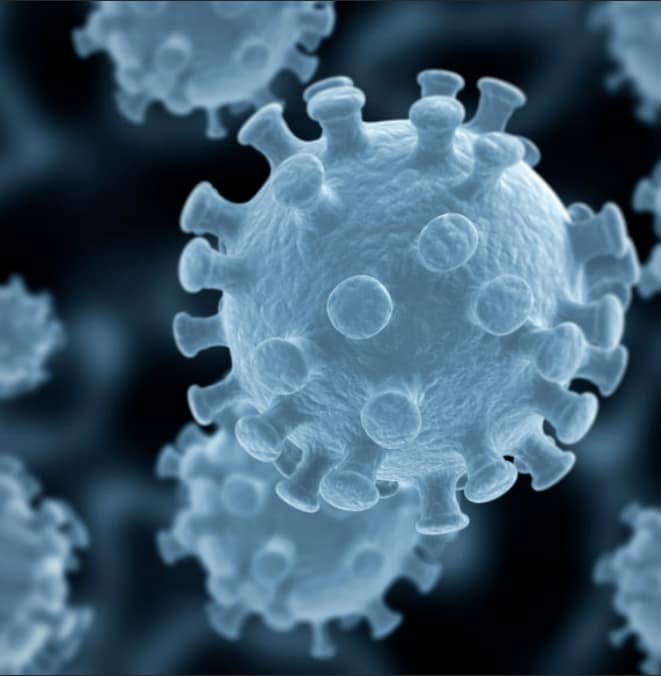
Recently, the concept of Virus X has been brought up again. Back in 2018, before the COVID-19 outbreak, the WHO issued a warning and listed it as a priority pathogen with potential to trigger epidemics or pandemics, alongside Ebola virus, Zika virus and SARS-CoV. What followed is an experience we all lived through, and COVID-19 was initially suspected to originate from wild animals.
We tend to instinctively assume wild animals only exert adverse effects in viral transmission, facilitating viral mutation and contagion, as they serve as natural viral reservoirs. Bats alone carry thousands of viruses inside their bodies. However, we may have confused cause and effect in this matter.
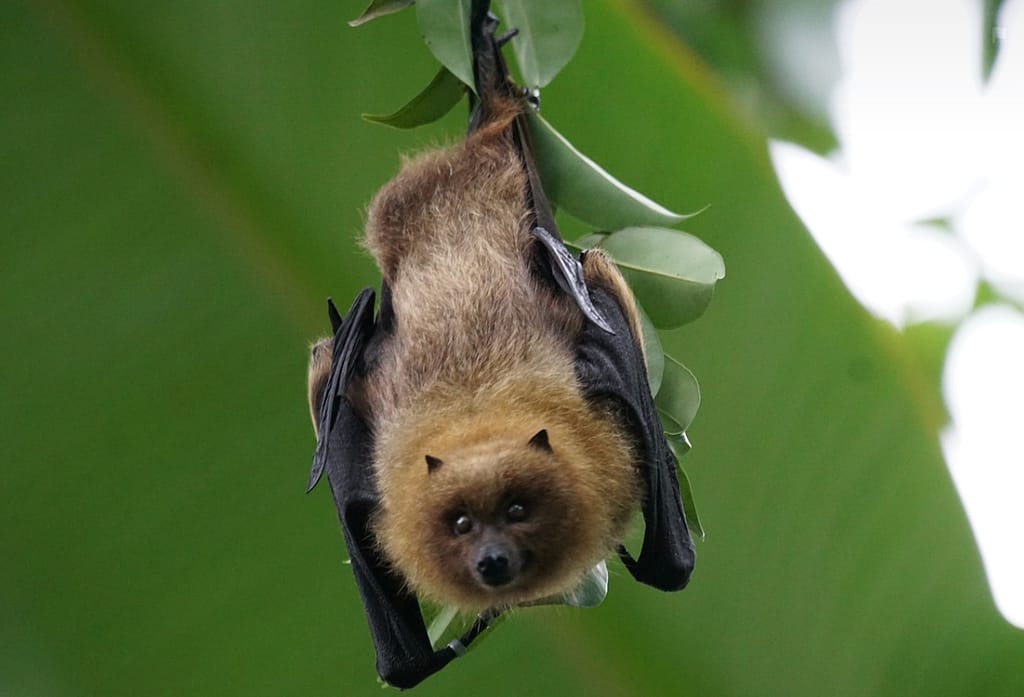
Although bats host hundreds to thousands of viruses, the species has co-evolved with these pathogens for thousands of years. Since viruses rely on hosts to survive, a balanced relationship has formed between viruses and their bat hosts over long-term adaptive evolution. Such viruses usually maintain low virulence inside bats, while the bats’ immune systems sustain a mild immune response against them, and the pathogens barely pose severe threats to other host species. This delicate balance will collapse once disrupted by external factors, especially human activities such as bat hunting. To survive, viruses will mutate to adapt to new alternative hosts.
Humans adopt three primary approaches for viral prevention. First, personal protection: people cut down virus exposure via healthy hygiene habits including mask-wearing and regular handwashing. Second, intermediate host management: boosting intermediate hosts’ immunity to lower infection rates; culling infected animals becomes an option if containment fails, as practiced during swine flu and avian flu outbreaks. Nevertheless, these measures alone cannot shield humanity from countless natural viruses. Human safety largely depends on natural co-adaptation between organisms and viruses, as well as sound biodiversity within intact ecosystems.
More complete and sophisticated food webs deliver stronger disease protection, an ecological principle known as the dilution effect: higher biodiversity lowers the odds of viral spillover to susceptible individuals. In contrast, biodiversity loss triggers a cascade of health risks. For instance, research links Lyme disease outbreaks to human-driven habitat destruction. Falling populations of apex forest predators including wolves, foxes and owls lead to surging numbers of white-footed mice, a key reservoir of Lyme disease pathogens, which raises transmission risks to humans via tick bites.
In conclusion, wild animals are not breeding grounds for Virus X. Instead, they serve as a natural protective barrier for humans: they keep viruses relatively benign, reduce human infection risks through the dilution effect, curb disease spread via organism-environment interactions, and safeguard human living conditions by fulfilling vital ecological functions. Human activities themselves remain the core driver behind potential Virus X pandemics.