New emerging virus spreading in cat groups! Complete analysis of Cat Chaphamavirus, essential reading for cat owners
Nothing is more distressing for pet owners than their furry companions falling ill suddenly! Beyond the well-known feline panleukopenia virus and feline calicivirus, a novel feline-origin virus, feline Chaphamavirus (FeChPV), has been detected in cat populations worldwide in recent years. Multi-cat households and animal shelters need to stay highly vigilant.
1.Basic Introduction: What is Feline Chaphamavirus?
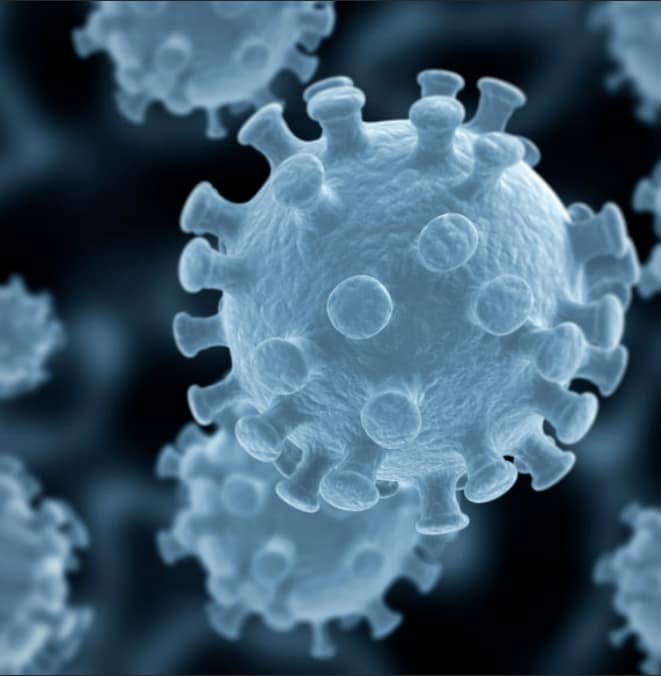
Feline Chaphamavirus (FeChPV) belongs to the Parvoviridae family, an emerging feline-specific virus that exclusively infects felines including domestic and stray cats. Current studies confirm it poses no definite zoonotic risk, so cat owners do not need to worry excessively about personal infection.
It shares the same viral family as feline panleukopenia virus (FPV) and features strong environmental resistance, yet it is susceptible to chlorine-based disinfectants and 75% ethyl alcohol; standard routine disinfection can effectively inactivate the virus.
As a newly systematically studied novel virus, it frequently causes latent infection or subclinical carriage in cats. Some strains trigger clinical discomfort in infected felines, and the virus is capable of genetic recombination with high genetic diversity.
2.Key Points: Transmission Routes & High-Risk Groups
✅ Main transmission routes: Multi-channel spread. The virus primarily spreads via secretions (saliva, nasal discharge) and excreta (feces, urine) from infected cats. Contaminated food bowls, litter boxes, cat cages and floors act as major transmission vehicles. Indirect transmission also occurs through pet owners’ hands and clothing. Infected cats shed the virus through multiple routes, leading to high concealment of infection.
✅ Incubation period: Existing studies indicate an incubation period of 3–10 days. In this phase, infected cats show no clinical signs yet start shedding the virus, making the infection hard to detect.
✅ Susceptible populations: Cats of all age groups are susceptible to infection. Unlike feline panleukopenia virus that mainly targets kittens, its detection rate shows no obvious difference between healthy and diseased cats. Nevertheless, unvaccinated cats, physically frail cats and stressed cats are more likely to develop clinical symptoms after infection, and co-infection with other viruses frequently occurs.
✅ Epidemiological characteristics: Sporadic cases have been reported worldwide, including Thailand, China, Italy and other countries, with an overall infection rate of approximately 10%. Stray cats face higher infection risks than household pet cats. Multi-cat environments such as catteries and rescue shelters have higher infection rates due to high population density and frequent close contact. No obvious seasonal fluctuation is observed, yet the virus spreads more easily in autumn and winter when respiratory and digestive tract diseases are prevalent.
3.Warning Signs: Clinical Manifestations in Infected Cats
After infection, clinical symptoms are mainly localized to the digestive and respiratory tracts. Approximately 9%–11% of healthy cats are latent carriers without any discomfort. Symptomatic cases are mostly caused by co-infection with other pathogens, classified into mild and severe forms:
🔸 Mild form (mostly adult cats): Mild diarrhea/soft stool, occasional vomiting; or mild sneezing with serous nasal discharge and slight respiratory signs. Mentation and appetite remain nearly normal or slightly reduced, with spontaneous recovery within 5–7 days.
🔸 Severe form (mostly kittens and unvaccinated cats): Severe watery diarrhea, frequent vomiting, possibly mucoid feces, complete anorexia and drastically reduced water intake, followed by rapid dehydration (sunken eye sockets, slow skin tent retraction). Accompanied by high fever (39.5–40.5°C) and severe lethargy; some individuals develop oral ulcers. Severe co-infection may lead to multi-organ lesions and even fatal outcomes. This disease is easily misdiagnosed as feline panleukopenia or feline calicivirus infection.
4. No Panic: Treatment Options for Infected Cats
There are currently no specific antiviral drugs available. The core treatment strategy consists of supportive care, symptomatic treatment and co-infection control, with the top priority being dehydration correction and nutritional supplementation to prevent disease deterioration.
(1)Fluid replacement & anti-diarrhea therapy
Subcutaneous fluid therapy is applied for mild dehydration, while intravenous rehydration is required for severe cases. Montmorillonite powder and probiotics are administered to relieve diarrhea and protect intestinal mucosa.
(2)Anti-emetic & antipyretic management
Feline-specific anti-emetics (e.g., maropitant) are used; force-feeding is forbidden, and gastric tube feeding is adopted if necessary. Feline-specific antipyretics combined with physical cooling are given when body temperature exceeds 40.5°C.
(3)Co-infection control
This virus frequently co-infects with feline calicivirus, feline bocavirus and other pathogens. Broad-spectrum antibiotics (e.g., amoxicillin clavulanate potassium) are used to control secondary bacterial infections. Concurrent viral pathogens are screened and treated symptomatically to avoid cumulative organ damage from multiple infectious agents.
(4)Adjuvant therapy
Interferon α injection inhibits viral replication and boosts the cat’s immunity. Feline oral sprays are used to relieve pain and accelerate recovery for oral ulcers, and cool soft liquid food is provided to reduce oral irritation.
5. Core Prevention Guide for Cat Owners
There is no dedicated vaccine against feline Chaphamavirus. Prevention relies entirely on daily routine management, disinfection & isolation, and immunity improvement. Key measures are listed below:
(1)Strict disinfection
Clean litter boxes daily. Soak food bowls, litter boxes and cat cages with chlorine-based disinfectant diluted at 1:100 for sterilization every week. Wipe floor surfaces daily and maintain good ventilation to block indirect transmission routes.
(2)Isolation & protection
Isolate newly arrived cats (especially strays or pet store kittens) individually for more than 14 days, monitoring their mental status, feces and respiratory conditions. Do not share their dedicated supplies with resident cats; gradual cohabitation is allowed only if no abnormalities are observed after the isolation period.
(3)Immunity enhancement
Feed nutritionally balanced cat food; avoid frequent diet changes or relocation to reduce stress triggers. Complete core vaccinations including feline panleukopenia and feline calicivirus vaccines on schedule to strengthen overall resistance and lower co-infection probability.
(4)Prompt veterinary consultation
Seek immediate veterinary care if persistent diarrhea, vomiting, high fever or dehydration occurs. Conduct detection tests on feces and secretions for confirmed diagnosis, to prevent misdiagnosis as feline panleukopenia and delayed treatment.
Final reminder: Although feline Chaphamavirus infection is highly concealed, consistent daily prevention and regular health observation of your pets can effectively cut infection risks. Latently carrier cats show no clinical signs but still shed virus; multi-cat households must pay extra attention to environmental disinfection.