Why Can Canine and Feline Be Infected with Streptococcus equi subsp. zooepidemicus?
Many pet owners may not have heard of Streptococcus equi subsp. zooepidemicus, but it is actually a common pathogenic bacterium in canine and feline clinics. It poses a particularly serious threat to puppies, kittens, and immunocompromised pets.
It can cause infections in multiple parts of the body, such as the respiratory tract and skin. In severe cases, it can lead to fatal sepsis, and there is also a risk of zoonotic transmission between pets and humans.
In this article, we cover everything you need to know—from the bacterium itself, to infection management and home prevention.
01 What is Streptococcus equi subsp. zooepidemicus?
Streptococcus equi subsp. zooepidemicus belongs to the genus Streptococcus in the family Streptococcaceae. It is a Gram positive coccus named for its original discovery in horses and its ability to cause animal diseases.
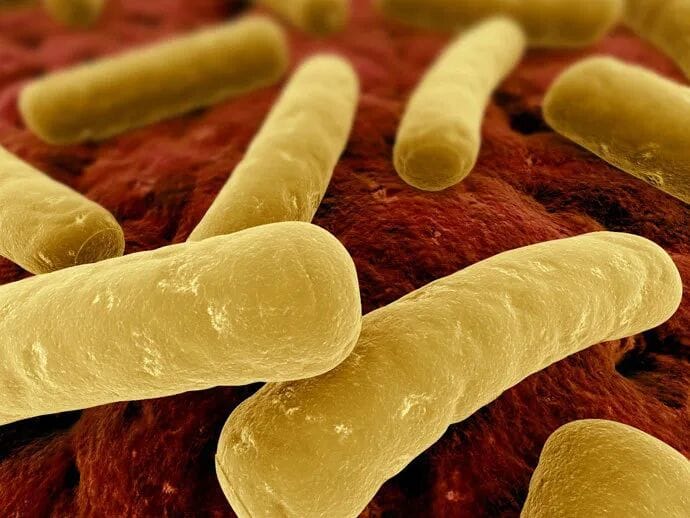
Morphology and CharacteristicsIt appears spherical or oval under a microscope, often arranged in chains. It does not form spores or flagella, but has a capsule that helps it evade host immune responses. It is a facultative anaerobe with low nutritional requirements, able to grow on common media, forming smooth, grayish white colonies.
Distribution:
It is widely distributed in nature (water, soil, grass) and in the respiratory tract, skin mucosa and secretions of many animals, including horses, cattle, sheep, canines and felines. It may also be carried by healthy pets, making it an opportunistic pathogen.
Pathogenicity and Drug Resistance:
It is highly virulent and produces multiple toxins that damage skin and mucosal tissues, leading to infection. Most strains are sensitive to penicillins and cephalosporins, but unreasonable long term use may induce resistance and complicate treatment.
Zoonotic Risk:
It is a zoonotic pathogen. Humans, especially immunocompromised individuals, children and the elderly, may develop skin or respiratory infections after contact with infected animals. Proper precautions are essential.
02 Life Cycle: Where Does It Hide? How Does It Spread to Pets?
The core of the life cycle of Streptococcus equi subsp. zooepidemicus is “colonization-transmission-pathogenesis”. It is not host-specific and can spread among various animals. Combined with pet-raising scenarios, the key details that pet owners should focus on are as follows:
Colonization Sites:
It is mainly colonized in the respiratory tract (nasal cavity, pharynx), skin mucosa, oral cavity and intestinal tract of animals. The colonization rate in healthy pets is about 10%-30%, which usually shows no symptoms but can become a potential source of infection.
Transmission Routes:
It is mainly transmitted through contact transmission and droplet transmission.
① Between pets: Contact with saliva, sputum, pus, feces of infected pets, or sharing food bowls, bedding and toys;
② Environmental transmission: Contact with contaminated grass, soil, water sources, or pet cages and floors;
③ Between humans and pets: After humans contact pets, it can be transmitted through hand contact, especially when there are wounds on the hands.
Environmental Survival:
It can survive for several days in a humid and warm environment, and 1-2 weeks on dry surfaces (such as pet beds and food bowls). It is sensitive to common disinfectants (alcohol, chlorine-containing disinfectants), and regular disinfection can effectively kill it.
Pathogenic Conditions:
Healthy pets (with normal immunity and intact skin mucosa) usually do not develop the disease, and infection is only induced in the following situations: puppies and kittens (with underdeveloped immunity), elderly pets, pets in the recovery period after illness; skin and mucosa damage (scratches, bites, surgical wounds); long-term stress (moving, changing food, bathing); long-term use of hormones and broad-spectrum antibiotics leading to flora imbalance.
03 Infection Trends in Pets: Highest-Risk Felines, Canines and Scenarios
With the increasing density of pet ownership and the growing outdoor activities of pets, the infection rate ofStreptococcus equi subsp. zooepidemicus among pets has been on the rise year by year. The core infection trends and high-risk scenarios are as follows, which pet owners must be alert to:
Susceptible Pets:
Both canines and felines are susceptible to Streptococcus equi subsp. zooepidemicus. Among them, puppies (1-3 months old) and kittens (1-2 months old) have the highest infection risk, with a mortality rate of 30%-50%. Among adult canines and felines, pets that are weak, have underlying diseases (such as diabetes and kidney disease), or are hospitalized for a long time have a significantly higher risk. The infection rate of large-breed canines is slightly higher than that of small-breed canines.
High-Risk Scenarios:
① Outdoor environment: Pets are prone to carrying the bacteria after coming into contact with stray animals, contaminated grass or soil;
② Multi-pet households: High density makes it easy for cross-transmission if one of the pets is infected;
③ Veterinary hospitals: Inadequate disinfection during hospitalization, surgery or grooming may lead to cross-infection;
④ After pet skin damage: Scratches, bites or wounds that are not treated in time can easily be invaded by the bacteria.
Distribution of Infection Types:
In clinical practice for pets, respiratory tract infections and skin/wound infections are the main types caused by Streptococcus equi subsp. zooepidemicus, accounting for about 45% and 35% respectively. Followed by urinary tract infections and joint infections, and in a few cases, it can cause sepsis and meningitis, endangering life.
Seasonal Characteristics:
The infection rate is the highest in spring and autumn (with suitable temperature and humidity). At this time, pets have more outdoor activities, increasing the probability of coming into contact with the bacteria, and the large temperature difference between day and night makes pets’ immunity prone to decline.
04 Key Point! Clinical Symptoms of Pet Infection: Identify at a Glance
The symptoms of pets infected with Streptococcus equi subsp. zooepidemicus depend on the infection site and severity, with significant differences in symptoms among different sites. Pet owners can check against the following and seek medical attention promptly if any abnormalities are found:
1. Respiratory Tract Infection (Most Common)
It mostly occurs in puppies and kittens, with symptoms similar to a “severe cold” but more dangerous than a common cold: coughing, sneezing, discharge of white or yellowish-green purulent nasal mucus, obvious nasal congestion, and rapid breathing; fever (39.5-40.5℃), lethargy, decreased appetite, and even anorexia and drowsiness in severe cases; rales can be heard in lung auscultation; if it develops into pneumonia, open-mouth breathing, hypoxia, and even respiratory failure will occur.
2. Skin and Wound Infection
It is mostly induced by skin damage, bites, and scratches, with obvious symptoms that are easy to find: redness, swelling, heat, and pain at the infection site, and pets frequently lick and scratch the affected area; wound exudation and suppuration, with pus mostly pale yellow, thick in texture, and smelly, and slow wound healing; in severe cases, it can cause cellulitis, subcutaneous abscesses, and even skin ulceration and hair loss.
3. Urinary Tract Infection
The incidence rate in canines is higher than that in felines, mostly caused by ascending bacterial infection, with symptoms including: frequent urination, urgent urination, dysuria, pets crying in pain when urinating, and frequently licking the urethral orifice; turbid urine with odor, and even hematuria and pyuria in severe cases; when ascending infection involves the kidneys, fever, vomiting, renal area pain, and even renal function damage will occur.
4. Systemic Infection (Septicemia, Most Dangerous)
It is mostly caused by the spread of local infection, commonly seen in pets with extremely low immunity, with dangerous symptoms: persistent high fever (above 40℃) or body temperature lower than normal, extreme lethargy; anorexia, decreased water intake, poor skin elasticity, and severe dehydration; subcutaneous hemorrhage, jaundice, cold extremities, and even shock and organ failure in severe cases, with a very high mortality rate.
05 Treatment Plan: Following Veterinarian’s Advice Is Key—Do Not Administer Medication Blindly!
The core of treating Streptococcus equi subsp. zooepidemicus infection is “accurate diagnosis, standardized medication, and symptomatic support”. Although most strains are sensitive to common antibiotics, random medication can still lead to drug resistance. The correct treatment approach is divided into 4 steps:
1. Clear Diagnosis
Use the corresponding PCR detection reagent for testing to confirm the infection of Streptococcus equi subsp. zooepidemicus. If necessary, bacterial culture and drug sensitivity test can be performed—this is the key to treatment, which can clarify whether it is Streptococcus equi subsp. zooepidemicus and which antibiotic it is sensitive to, avoiding the use of ineffective drugs.
2. Antibiotic Treatment (Core Treatment)
Select sensitive antibiotics according to the drug sensitivity results. The commonly used drugs and principles are as follows:
Sensitive strains: Penicillins and cephalosporins (such as amoxicillin, ceftriaxone) are preferred, with a course of 7-14 days;
Drug-resistant strains: Erythromycin, clindamycin, etc. can be selected, and combined medication is necessary if needed, with the course extended to 14-21 days;
Principles: Administer sufficient dosage for the full course of treatment. Even if symptoms improve, do not stop or change medication at will, otherwise it is easy to cause infection recurrence or induce drug resistance.
3. Local Treatment
Symptomatic treatment for the infected site to assist in controlling the infection:
Skin/wound infection: Clean up pus and necrotic tissue, disinfect with pet-specific disinfectant, apply antibiotic ointment, and incise and drain severe abscesses;
Respiratory tract infection: Nebulization treatment (adding antibiotics and antitussive and expectorant drugs) to relieve nasal congestion and expectoration;
Urinary tract infection: Encourage pets to drink more water and diuresis, and catheterize and flush the urethra if necessary.
4. Supportive Treatment
Help pets enhance immunity and promote recovery:
Intravenous fluid replacement for dehydration to correct electrolyte disorders;
Supplement nutrition (nutritional paste, liquid food) when pets are anorexic;
Reduce fever when there is high fever, relieve pain when there is pain, and reduce pet stress.
06 Pet Care at Home: Prevention Is Better Than Cure!
Most infections caused by Streptococcus equi subsp. zooepidemicus are associated with low pet immunity, skin damage, and unsanitary environments. By following these 6 key points, you can not only protect your pets but also prevent zoonotic transmission between humans and animals:
1. Standardize Medication Use and Refuse Blind Medication
When your pet is ill, seek medical attention promptly. Use antibiotics under the guidance of a veterinarian, do not arbitrarily administer human anti-inflammatory drugs, and do not stop or change medication casually to reduce the development of drug resistance.
2. Protect Your Pet’s Skin and Avoid Damage
Regularly trim your pet’s nails and comb their hair to prevent them from scratching themselves; avoid contact with sharp objects and stray animals when going out to prevent bites and scratches; if the skin is damaged, disinfect and treat it in a timely manner.
3. Maintain a Clean and Disinfected Environment
Disinfect your pet’s food bowls, water bowls, bedding, and toys at least 1-2 times a week, using chlorine-containing disinfectants or alcohol; clean up your pet’s feces and secretions in a timely manner, keep your home well-ventilated and dry, and avoid bacteria breeding in humid conditions.
4. Enhance Your Pet’s Immunity
Feed your pet a balanced diet and avoid high oil and high salt; conduct regular physical examinations and vaccinations, and avoid long-term stress (such as frequent moving, excessive fright); for puppies, kittens, and elderly pets, you can appropriately supplement nutrition to enhance their resistance.
5. Prevent Zoonotic Transmission
Be sure to wash your hands after handling your pet’s pus and secretions; do not directly contact your pet when there are wounds on your hands; elderly people, children, pregnant women, and immunocompromised individuals at home should reduce close contact with sick pets.
6. Seek Medical Attention Promptly and Do Not Delay
If you find that your pet has symptoms such as persistent fever, coughing with purulent nasal discharge, infected wounds, frequent urination with hematuria, take your pet to the veterinarian immediately to avoid the spread of local infection to systemic infection.
Although Streptococcus equi subsp. zooepidemicus is common, the risk of infection can be effectively reduced by doing a good job in daily prevention and standardized medication. Keeping a pet is not a whim; more understanding means more protection. May every furry friend stay away from germs and grow up healthily.