Kitten mortality rates can reach up to 40% — Understanding Feline Bocavirus (FBoV) Infection
Is your cat suddenly vomiting, having diarrhea, or passing bloody stools? Be alert for gastrointestinal pathogen infections. Today, we’re focusing on an emerging virus with a rising infection rate — Feline Bocavirus (FBoV).
FBoV is a newly emerging high-risk intestinal virus in cats. Currently, there is no commercial vaccine available. It is highly contagious and difficult to detect in the early stages. The virus is particularly pathogenic to kittens aged 1–6 weeks, with severe cases showing mortality rates of up to 40%.
Adult cats are often asymptomatic carriers, silently spreading the virus within the environment. Multi-cat households and breeding catteries should pay special attention to prevention and early screening.
01. What is Feline Bocavirus (FBoV)?
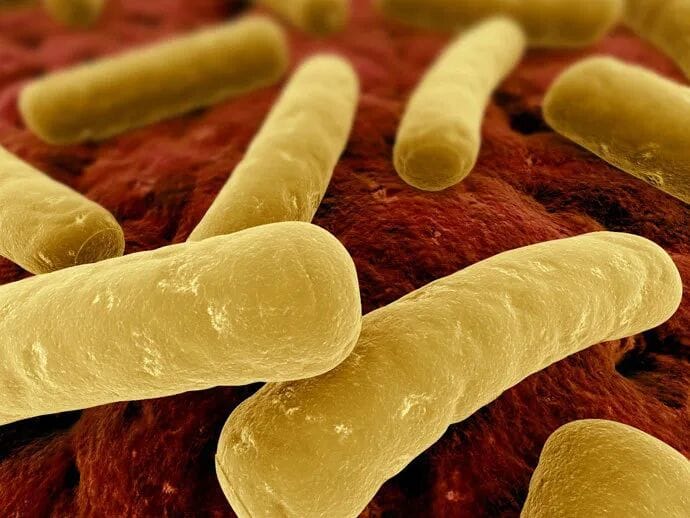
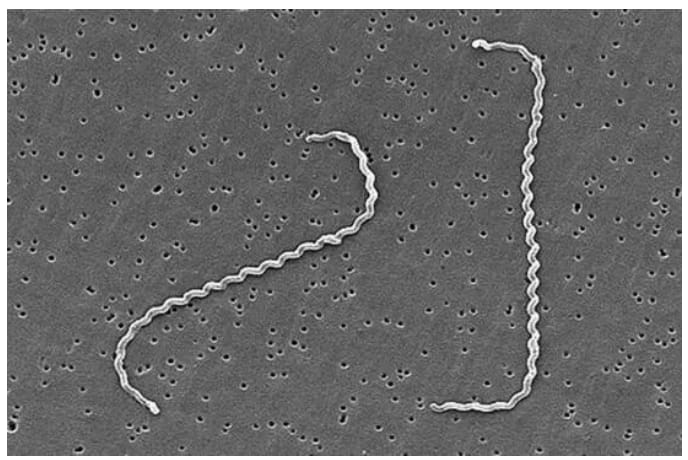
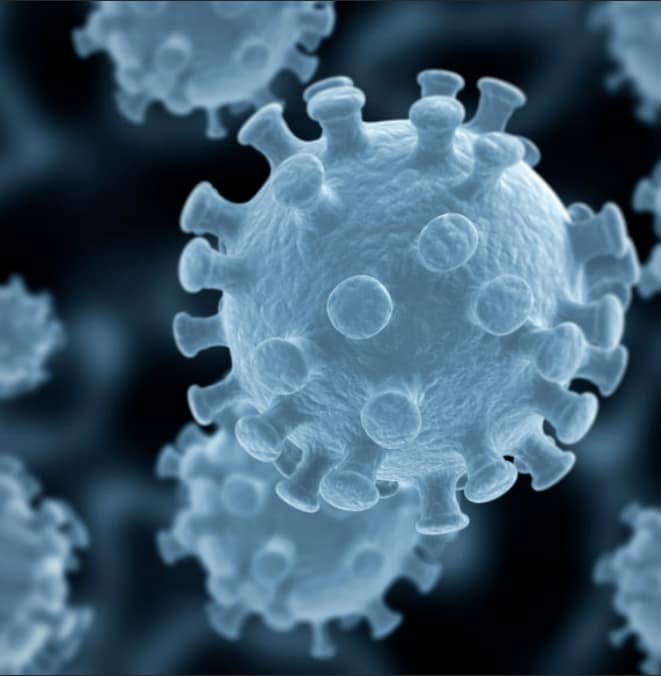
Feline Bocavirus (FBoV) belongs to the Parvoviridae family and is a non-enveloped DNA virus. In simple terms, it is an extremely resilient intestinal pathogen that is difficult to eliminate. There are currently three known genotypes, with FBoV-1 being the most commonly associated with clinical disease in cats.
Key Characteristics:
- Species-specific infection:
FBoV only infects felines. Domestic cats, purebred cats, and stray cats are all susceptible, but it is not transmissible to humans. - Highly resistant in the environment:
The virus can survive for 2–4 weeks at room temperature and remain viable in cat litter or feces for more than a month. Alcohol and many common disinfectants are ineffective against it. - No specific treatment or commercial vaccine available:
Prevention mainly relies on strict disinfection and isolation measures, making it even more challenging to control than feline astrovirus. - Worldwide distribution:
FBoV has been detected globally. In multi-cat environments such as catteries, shelters, and multi-cat households, infection rates may reach up to 60%, and co-infection with other viruses is common.
02. Which Cats Are Most at Risk? How Is FBoV Transmitted?
High-Risk Cats (Require Special Protection!)
- Kittens aged 1–6 weeks:
The highest-risk group. Maternal antibodies decline rapidly while the immune system is still immature. Infected pregnant queens may also transmit the virus vertically to kittens before birth, making weaning the peak period for disease onset. - Immunocompromised cats:
Senior cats, cats with severe illnesses such as tumors, cats receiving long-term steroid treatment, and unvaccinated cats are more likely to develop clinical disease and experience prolonged illness. - Pregnant queens:
Infection during pregnancy may result in transmission to the fetus, causing kittens to be born already carrying the virus.
✅ Lower-Risk Group:
Healthy adult cats with normal immunity are often asymptomatic in more than 90% of cases. However, they may continue shedding the virus and act as “silent carriers.”
Main Routes of Transmission (Key Risks to Avoid!)
- Fecal–oral transmission (primary route):
Feces from infected or carrier cats contain large amounts of virus. Healthy cats can become infected by licking contaminated litter boxes, food bowls, floors, or paws. - Indirect transmission:
Owners’ hands, clothing, shoes, shared toys, bedding, and other contaminated items may spread the virus between cats. - Vertical transmission (unique characteristic):
Infected pregnant queens can transmit the virus to kittens through the placenta — a feature not commonly reported with feline astrovirus. - Respiratory transmission (rare):
Only a few strains may spread through aerosol droplets generated by sneezing or coughing, and transmission range is usually limited.
Epidemiological Features
- Cases may occur year-round, but infection rates are highest during winter and early spring.
- The incubation period is typically 3–7 days.
- Infected cats may begin shedding the virus within 3–5 days after infection.
- Carrier cats can intermittently shed the virus for 6 months to 1 year, making the infection highly concealed and difficult to control.
03. What Are the Clinical Signs After Infection?
(Key points for differentiation and diagnosis)
The core manifestation of infection is gastrointestinal disease, which can resemble infections caused by feline astrovirus or feline panleukopenia virus (FPV). However, one important distinguishing feature is that feline bocavirus infection is associated with a significantly higher incidence of hematochezia (bloody stool, 30–50%), while high fever is uncommon.
✅ Most Common: Enteric Manifestations (>90% of cases)
Primarily observed in kittens, and clinical signs are often more severe in cases of co-infection.
- Diarrhea:
Watery or semi-formed feces, typically yellow-white or yellow-green in color. Approximately 30–50% of affected cats develop bloody diarrhea or mucohemorrhagic feces with a strong foul odor. Defecation frequency may reach 4–10 times per day. - Vomiting:
More common in kittens, occurring 2–5 times daily. Vomitus may contain undigested food or gastric fluid; severe cases may progress to bile vomiting. - Systemic signs:
Anorexia, lethargy, depression, rough hair coat, and rapid dehydration in kittens. Clinical indicators of dehydration include sunken eyes, reduced skin elasticity, dry nasal planum, weight loss, and in severe cases, hypothermia. - Severe disease:
Secondary bacterial infection may lead to septicemia and intestinal necrosis. Mortality in kittens can reach 20–40%, and survivors may subsequently develop chronic diarrhea.
✅ Less Common: Respiratory Manifestations
- Mild coughing
- Sneezing
- Serous nasal discharge
Respiratory signs are generally mild, rarely occur alone, and are usually accompanied by gastrointestinal symptoms. Most cases are self-limiting and non-fatal.
✅ Most Difficult to Detect: Subclinical Infection
This form is most commonly observed in adult cats.
- No obvious clinical signs
- Continuous viral shedding in feces despite appearing healthy
Stress factors such as relocation, dietary changes, or introduction of new cats into the household may trigger progression from subclinical infection to overt clinical disease.
04. What Should Be Done After Infection?
(No specific antiviral treatment available — supportive care is critical)
⚠️ Important:
At present, there are no specific antiviral drugs or targeted antibodies for feline bocavirus infection. Treatment is primarily based on symptomatic and supportive therapy. Once clinical signs appear in kittens, immediate veterinary intervention is essential to reduce mortality. Home care should only be considered for mild cases.
Standard Veterinary Treatment
Fluid Therapy (Most Critical)
Fluid replacement is the cornerstone of treatment. Depending on the degree of dehydration, oral, subcutaneous, or intravenous fluids are administered to correct dehydration and electrolyte imbalance. Kittens deteriorate rapidly and should not experience treatment delays.
Control of Vomiting and Diarrhea
Veterinarians may administer feline-approved antiemetics (e.g., maropitant) and antidiarrheal agents such as smectite/diosmectite. In cases with hematochezia, hemostatic therapy may also be required. Probiotics are commonly used to support intestinal microbiota balance.
Antimicrobial Therapy
Antibiotics should only be used when secondary bacterial infection is suspected or confirmed. Common options include feline-safe formulations such as amoxicillin-clavulanate. Unnecessary antibiotic use should be avoided.
Nutritional Support
Highly digestible gastrointestinal prescription diets and nutritional supplements are recommended. Kittens refusing food may require assisted feeding (e.g., nasoesophageal feeding) to prevent hypoglycemia and malnutrition.
Home Supportive Care for Mild Cases
(Only suitable for adult cats with mild clinical signs)
Temporary Food Restriction
Withhold food for 12–24 hours to reduce gastrointestinal burden, but ensure free access to clean water. Small amounts of veterinary oral rehydration solution may be provided if needed.
Gentle Antidiarrheal Support
Diosmectite/smectite may be used as supportive therapy:
- Kittens: 250 mg per dose
- Adult cats: 500 mg per dose
Administer every 8 hours as directed.
Bland Feeding
After the fasting period, offer easily digestible foods such as warmed goat milk replacer or gastrointestinal prescription diet slurry in small, frequent meals.
⚠️ If no improvement is observed within 24 hours, immediate veterinary consultation is strongly recommended. Do not delay treatment.
05. Essential Prevention & Control Guidelines
(Critical section — no vaccine available, prevention is everything)
⚠️ Key point:
Since there is currently no vaccine for feline bocavirus, prevention relies entirely on blocking transmission routes and improving immune resilience. Strict implementation is essential in multi-cat households and breeding catteries.
✅ 1. Strict Isolation to Prevent Cross-Contamination
- Infected cats should be immediately isolated and kept separately until feces return to normal, followed by an additional 14-day isolation period to confirm viral shedding has stopped. All care tools must be dedicated and not shared.
- After handling infected cats, hands must be disinfected using chlorine-based disinfectants. Feces and vomit should be wrapped in disposable materials, sealed, and discarded properly. Contaminated areas must be disinfected immediately.
- New cats entering a household: must undergo at least 21 days of quarantine, with fecal monitoring and, if necessary, professional testing before introduction into the group.
✅ 2. Correct Disinfection Methods (Alcohol is ineffective)
⚠️ Feline bocavirus is resistant to alcohol and common disinfectants. Effective options include:
- Chlorine-based disinfectants (e.g., sodium hypochlorite diluted 1:50)
- Peracetic acid solutions
Routine disinfection procedures:
- Litter boxes, food bowls, floors, and toys should be wiped daily with disinfectant, left for 20–30 minutes, then rinsed with clean water.
- Food and water bowls should be boiled in water for 30 minutes when possible.
- Bedding and soft materials should be replaced frequently and not reused.
- In multi-cat environments, UV light disinfection for 30 minutes daily can be used (ensure cats are removed during exposure).
✅ 3. Husbandry & Immune Support
- Feed high-quality cat food; kittens may receive veterinary-grade milk replacers. Avoid raw meat or table scraps. During weaning, transition diet gradually over 7 days rather than sudden changes.
- Follow routine core vaccination schedules (e.g., feline panleukopenia, feline herpesvirus) to reduce the risk of co-infections.
- Regular deworming: kittens every 1 month (internal and external), adult cats internal every 3 months, external monthly.
- Minimize stress factors: avoid frequent relocation, sudden litter changes, and uncontrolled introduction of new cats in multi-cat households.
✅ 4. Additional Precautions for Breeding Catteries
- Perform screening of breeding cats before mating to ensure they are virus-free prior to reproduction.
- During pregnancy, prevent contact with external cats. If infection occurs, immediate isolation is required.
- Newborn kittens should be individually monitored and kept in a controlled, isolated environment after birth.
06. Cat Owner Pitfall Warnings (Avoid These Critical Mistakes!)
❌ Do not use human anti-diarrheal or anti-emetic drugs
Medications such as loperamide are unsafe for cats. Cats cannot metabolize them properly, which may lead to toxicity and serious adverse reactions.
❌ Do not misuse antibiotics or overuse fluid therapy
Unnecessary or excessive use of antibiotics can increase the burden on the liver and kidneys, and inappropriate fluid administration may even lead to pulmonary edema.
❌ Do not mix recovered cats too early
Even if feces appear normal, infected cats may still be in the recovery or shedding phase. Premature reintroduction into a multi-cat environment can result in re-infection and renewed viral spread.
❌ Do not rely on ineffective disinfectants
Alcohol and common quaternary ammonium disinfectants are not effective against feline bocavirus, meaning they provide a false sense of safety and essentially fail to disinfect.
✨ Final reminder:
Although feline bocavirus infection can be severe, it is highly preventable with proper isolation, effective disinfection, and scientific husbandry practices.
Households with kittens or multiple cats should pay close attention to fecal condition and mental status. Early detection and early intervention are key to minimizing risk.
❤️ Wishing every kitten a healthy and safe growth journey, free from disease.