Feline Kobuvirus: An Emerging Gastrointestinal Virus
In recent years, infections causing gastrointestinal diseases in pets have remained prevalent. In previous articles, we have introduced several pathogens associated with gastrointestinal symptoms in pets. Today, we focus on a relatively underrecognized virus—one that is less familiar to many, yet plays a notable role in feline gastrointestinal infections: feline kobuvirus.
01 First Things First: What Is Feline Kobuvirus?
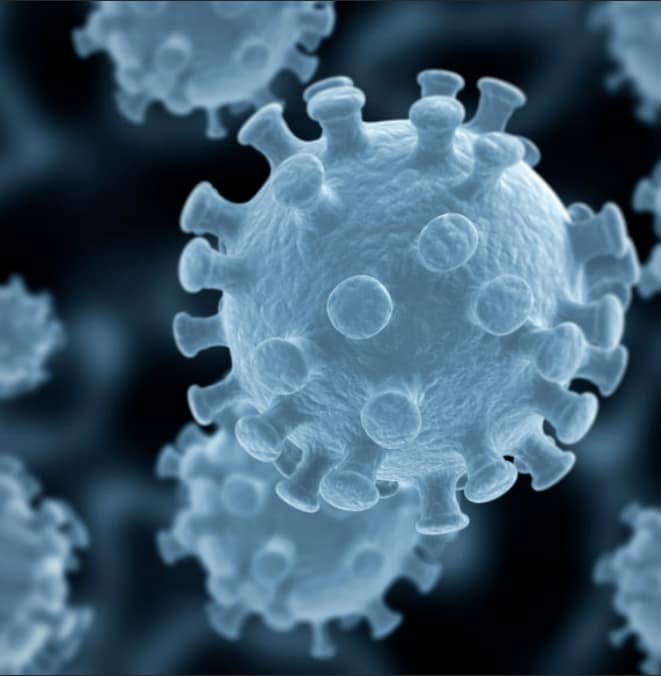
Feline kobuvirus belongs to the family Caliciviridae, genus Kobuvirus. It is a non-enveloped RNA virus that specifically infects felids (including domestic and stray cats). There is no known zoonotic risk, so pet owners do not need to worry about transmission to humans.
The virus is acid-resistant and can survive for more than 7 days at room temperature, but it is sensitive to chlorine-containing disinfectants and 75% ethanol, and can be effectively inactivated by routine disinfection. Currently, two genotypes have been identified. Some low-virulence strains may cause subclinical infection, whereas highly virulent strains can lead to overt clinical symptoms.
02 Key Points: How Is the Virus Transmitted, and Which Cats Are Most Susceptible?
Primary route of transmission: The virus is mainly transmitted via the fecal–oral route. Infected cats shed the virus in feces, contaminating food bowls, litter boxes, water sources, and the environment. Healthy cats may become infected through ingestion. Indirect transmission can also occur via owners’ hands, clothing, or fomites.
Incubation period: Approximately 3–7 days. During this period, cats may be asymptomatic but are already shedding virus.
Susceptible populations: Kittens aged 2–3 months are at highest risk due to immature immune systems, often developing more severe symptoms and higher mortality rates. Adult cats are more commonly subclinically infected, with only a small proportion showing mild diarrhea.
Epidemiological features: The virus is sporadically distributed worldwide, with higher prevalence in stray cats than in household pets. In multi-cat environments (such as catteries or shelters), infection rates may reach 40–60%. No clear seasonality has been observed, although transmission is more likely during winter when ventilation is poor.
03 Warning Signs: What Are the Clinical Manifestations in Infected Cats?
After infection, clinical signs are primarily gastrointestinal and can be classified as mild or severe. Approximately 30–40% of infected cats remain asymptomatic.
Mild disease (commonly in adult cats): Soft or mushy stools, occasional diarrhea without blood or mucus; mild decrease in appetite with normal activity. Symptoms usually resolve spontaneously within 3–5 days.
Severe disease (more common in kittens and unvaccinated cats):
Profuse watery diarrhea, frequent vomiting, complete anorexia, and reduced water intake, leading to rapid dehydration (sunken eyes, decreased skin turgor). Affected cats may show low-grade fever and lethargy; co-infections can result in bloody diarrhea or jaundice. In severe cases, shock may occur.
04 Don’t Panic: How Should Feline Kobuvirus Infection Be Managed?
At present, there are no specific antiviral drugs available. Treatment is based on supportive care and symptomatic management, with emphasis on correcting dehydration and providing nutritional support.
1.Fluid therapy and control of diarrhea: Subcutaneous fluids for mild dehydration; intravenous fluid therapy for severe dehydration, combined with dioctahedral smectite and probiotics to alleviate diarrhea.
2.Antiemetic and gastrointestinal protection: Use cat-specific antiemetics (e.g., maropitant). Forced feeding should be avoided; tube feeding may be considered when necessary.
3.Control of secondary infections: Broad-spectrum antibiotics are indicated in cases with bloody diarrhea or high fever. Routine deworming is recommended to exclude concurrent intestinal parasitic infections.
4.Adjunctive therapies: Interferon-α may be administered to inhibit viral replication. In severe cases, homologous plasma transfusion can be used to enhance immune defense.
05 Most Important: How Can Pet Owners Prevent and Control Infection?
Key reminder: There is no specific vaccine for feline kobuvirus; prevention relies entirely on proper husbandry and environmental disinfection.
1.Environmental disinfection: Clean litter boxes daily. Soak food bowls and litter boxes weekly in chlorine-based disinfectant (e.g., 1:100 dilution). Wipe and disinfect living areas daily and ensure adequate ventilation.
2. Strict isolation: Newly introduced cats—especially strays—should be quarantined for at least 2 weeks. Monitor fecal consistency and use separate food bowls and litter boxes.
3.Routine care: Provide a balanced diet and minimize stress (avoid frequent diet changes or relocation). In multi-cat households, reduce stocking density and follow the “n + 1” litter box rule.
4.Regular testing: Most veterinary clinics now offer PCR testing for feline kobuvirus. Routine health checks can help with early risk assessment.
5.Prompt veterinary care: Cats with persistent diarrhea, vomiting, or dehydration should be taken to a veterinarian immediately. Fecal testing is recommended for definitive diagnosis to avoid misdiagnosis.
In summary, although feline kobuvirus can be challenging, strict hygiene and standardized management can greatly reduce infection risk. Owners of kittens and multi-cat households should closely monitor fecal output and behavior—early detection and timely intervention are key to minimizing disease severity.