Canine Pneumovirus: One of the “Devil’s Team” of Canine Respiratory Pathogens
When discussing respiratory diseases in dogs, commonly recognized pathogens include canine parainfluenza virus, canine adenovirus type II, and Bordetella bronchiseptica. However, Canine pneumovirus (CnPnV) is often overlooked. What many people do not realize is that this virus specifically targets the respiratory tract of canines, posing a particularly high risk to puppies and elderly canines.
01 Understanding CnPnV: A “Dedicated Invader” of the Canine Respiratory Tract
First, it is important to clarify that the canine pneumovirus (CnPnV) discussed here is not a general term for all viruses that can cause pneumonia in dogs. Rather, it is a formally identified and taxonomically classified virus, and in recent years, it has emerged as an important pathogen associated with Canine Infectious Respiratory Disease (CIRD), commonly known as “kennel cough.”
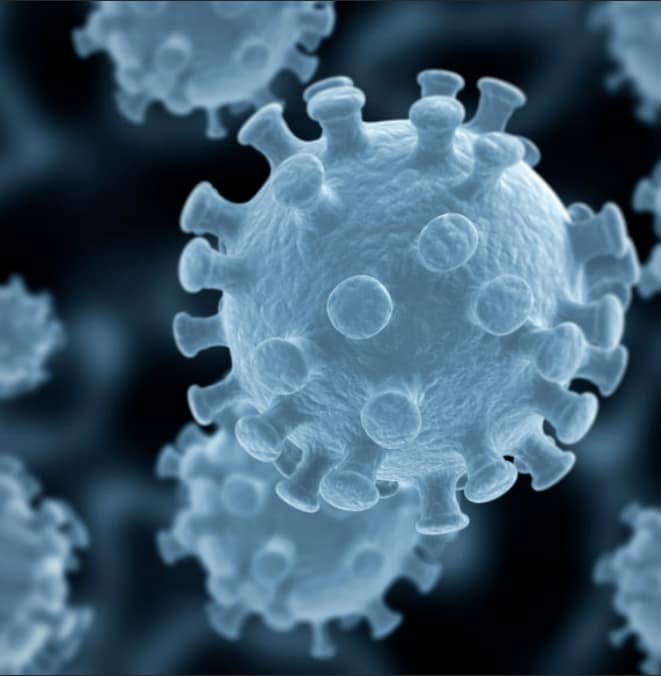
CnPnV belongs to the family Paramyxoviridae, subfamily Pneumovirinae, and genus Pneumovirus. It was first isolated in 2010 from infected dogs in a shelter in the United States. Genetically, it is closely related to murine pneumovirus, sharing a high degree of sequence homology. However, it exhibits strong host specificity—infecting only canines and not humans, felines, or other companion animals. Therefore, pet owners do not need to worry about zoonotic transmission, which can be reassuring.
Compared with other canine respiratory viruses, CnPnV is more “insidious.” In many cases, early-stage infections present with mild or subtle clinical signs that are easily overlooked, and by the time the disease is recognized, it may have already progressed to pneumonia.
02 The “Survival Strategy” of CnPnV: How It Causes Infection in Canines
The life cycle of Canine pneumovirus (CnPnV) is relatively straightforward, revolving around three key steps: invasion of the respiratory tract, replication, and spread of infection.
1. Host invasion:
CnPnV enters the body of canines through respiratory droplets, aerosols, or contact with contaminated cages, feeding utensils, or clothing. Once inside, it primarily targets the epithelial cells of the respiratory tract.
2. Replication:
After entering the respiratory epithelial cells, the virus hijacks the host cell’s metabolic machinery to replicate itself. This process disrupts normal cellular functions and damages the integrity of the respiratory barrier, creating “gaps” in the defense system.
3. Dissemination:
As infected epithelial cells are destroyed and rupture, large numbers of newly formed viruses are released. These viruses go on to infect neighboring respiratory cells and, in severe cases, can spread to the lungs, leading to pneumonia. At the same time, the virus is expelled into the environment through coughing and sneezing, facilitating transmission to other healthy canines.
CnPnV does not survive long in the external environment and can be effectively inactivated by routine disinfection. However, in high-density canine settings, its transmission rate can increase significantly. Studies have shown that CnPnV can replicate efficiently in canine respiratory tissues and trigger inflammatory responses, which is the primary mechanism behind the associated respiratory symptoms.
03 Current Infection Status in Canines: Which Dogs Are More at Risk
With the increasing density of pet populations, the infection rate of Canine pneumovirus (CnPnV) has been rising year by year. It is now distributed worldwide, with numerous clinical cases also reported domestically. The situation is particularly concerning in high-density environments. The current infection status can be summarized in three key points:
1. High-risk settings:
Environments with high concentrations of canines—such as shelters, kennels, boarding facilities, and veterinary clinics—are major hotspots for CnPnV transmission. Studies have shown that in kennel environments, the seroprevalence of CnPnV can increase dramatically from 26% to 93.5% within just 21 days after admission, highlighting its rapid spread.
2. Susceptible populations:
Puppies under 6 months of age, elderly canines over 8 years old, and those with compromised immune systems (e.g., incomplete vaccination or chronic illnesses) are at the highest risk of infection and are more likely to develop severe disease.
Puppies under 6 months are typically seronegative, lacking sufficient immunity against the virus.
In canines aged 7–12 years, the seropositivity rate remains around 57%, suggesting that although antibodies may develop after infection, reinfection is still possible.
3. Infection characteristics:
Most infections are subclinical, meaning that infected canines may show no obvious symptoms but can still shed the virus, acting as silent sources of transmission. Among symptomatic cases, about half develop mild to moderate respiratory signs, while a smaller proportion progress to severe pneumonia.
In pet canines in the United Kingdom and Ireland, the overall seroprevalence of CnPnV is approximately 50%, demonstrating its widespread distribution.
04 Clinical Signs After Infection: Distinguishing Mild from Severe Cases to Avoid Delayed Treatment
Clinical signs of Canine pneumovirus (CnPnV) infection can vary significantly between mild and severe cases. Being able to distinguish between them and intervene early can greatly reduce the risk of disease progression:
1. Mild cases (most common, accounting for over 80%)
Typically present with paroxysmal dry cough (especially worsening at night, after excitement, or exposure to cold), sneezing, and serous nasal discharge (clear nasal fluid), sometimes accompanied by mild conjunctivitis (redness and tearing). At this stage, canines generally maintain normal energy levels and appetite, and body temperature is usually normal. These signs are often mistaken for a “common cold,” but they tend to last longer (typically 1–2 weeks).
2. Severe cases (high alert, more common in susceptible groups)
If mild cases are not managed in time, the virus may further invade the lungs and cause viral pneumonia. Clinical signs may include fever (body temperature >39.5°C), rapid breathing, open-mouth breathing, respiratory distress, lethargy, reduced or absent appetite, and coughing that may be accompanied by small amounts of sputum. More importantly, CnPnV can damage the respiratory barrier, allowing opportunistic bacteria (such as Bordetella bronchiseptica and Streptococcus) to invade, leading to secondary infections like suppurative bronchopneumonia. In severe cases, this can result in respiratory failure and become life-threatening.
△Important reminder:
If a canine shows a dry cough lasting more than 3 days along with clear nasal discharge—even if appetite and activity appear normal—it is strongly recommended to seek veterinary evaluation promptly to avoid delaying treatment.
05 Treatment Strategies: No Specific Antiviral—Supportive Care Is Key
Currently, there are no commercially available specific antiviral drugs targeting Canine pneumovirus (CnPnV). The cornerstone of treatment is supportive care combined with prevention of secondary infections. Treatment plans should always be determined by a veterinarian based on disease severity and generally fall into two categories:
1.Mild cases (home care + outpatient treatment)
Antiviral therapy: Use recombinant canine interferon-α as prescribed to inhibit viral replication; this is currently a preferred antiviral option for viral respiratory infections in canines.
Symptomatic treatment: Administer canine-specific antitussive medications (e.g., Ma Xing Shi Gan–based formulations) to relieve coughing; if conjunctivitis is present, topical tetracycline ophthalmic ointment or chloramphenicol eye drops may be used.
Prevention of secondary infection: Use antibiotics such as doxycycline hydrochloride (after ruling out allergies) to prevent bacterial invasion and disease progression.
Supportive therapy: Supplement with astragalus polysaccharides and vitamin C to help enhance immunity and promote recovery.
2. Severe cases (hospitalization required)
Canines with severe pneumonia require hospitalization for intensive care and monitoring, including oxygen therapy (to relieve respiratory distress), intravenous fluids (to correct dehydration and maintain strength), and anti-inflammatory treatment (using nonsteroidal anti-inflammatory drugs to control pulmonary inflammation). Antiviral and antimicrobial therapies should be intensified, and bronchodilators may be used when necessary to facilitate breathing.
△Important reminder: Never administer human cold or cough medications (such as acetaminophen-based drugs or cough syrups) to canines, and avoid the indiscriminate use of corticosteroids. These medications may suppress the immune system, worsen the condition, or even cause toxicity. During treatment, always follow veterinary instructions strictly, ensure adequate dosage and full treatment duration, and do not discontinue medication prematurely.
06 Home Care Tips: 5 Key Measures to Prevent CnPnV Infection
Currently, there is no commercially available vaccine specifically for Canine pneumovirus (CnPnV). Prevention focuses on blocking transmission routes and enhancing the dog’s immunity. By following these five measures, pet owners can significantly reduce the risk of infection:
1. Reduce exposure: avoid taking canines to high-density environments (such as pet markets, crowded boarding facilities, or dog gatherings), especially puppies without complete vaccination, elderly dogs, and immunocompromised individuals; if unavoidable, consider using pet-specific masks to reduce exposure to respiratory droplets.
2. Strict isolation: in multi-dog households, if one canine shows symptoms such as coughing or nasal discharge, immediately isolate it in a separate room to prevent cross-infection; during isolation, assign a dedicated caregiver and ensure handwashing and clothing changes before contacting other dogs.
3. Environmental disinfection: regularly disinfect cages, feeding utensils, bedding, toys of canines, as well as floors and furniture; use pet-safe disinfectants that effectively inactivate respiratory viruses and are non-toxic if licked, following proper dilution instructions; focus on high-contact areas and disinfect at least 1–2 times per week; additionally, wash and sun-dry bedding and clothing regularly to further eliminate viruses.
4. Enhance immunity: provide a balanced diet with high-quality protein and vitamins, avoiding selective feeding; ensure regular exercise based on the canine’s age and size to improve physical condition; complete core vaccinations (such as canine distemper and parainfluenza) on schedule—although they do not directly prevent CnPnV, they help strengthen overall immunity and reduce the risk of severe disease.
5. Timely screening: if a canine has been exposed to infected dogs or shows suspicious symptoms, seek veterinary care promptly; PCR testing (the gold standard) enables accurate diagnosis, and early intervention significantly improves recovery outcomes.
07 Final Thoughts
Although Canine pneumovirus (CnPnV) can be insidious, it is not something to fear. As long as pet owners stay vigilant and implement proper prevention and monitoring, they can effectively protect the health of their canines.
CnPnV does not infect humans, so there is no need for excessive concern—but it should not be taken lightly either. After all, our dogs cannot speak; their discomfort relies on our careful observation and timely response.
May every canine stay free from respiratory diseases, breathe easily, and grow up healthy .