Canine Distemper Virus (CDV)
Virus Overview
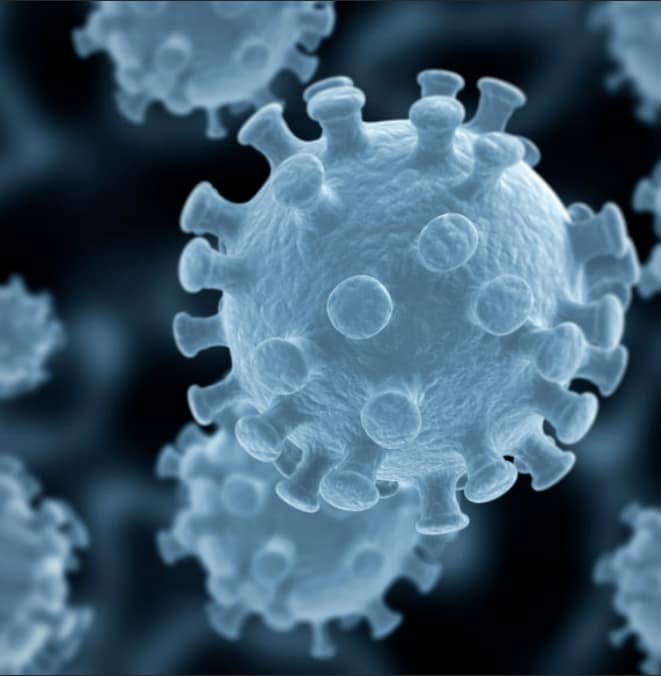
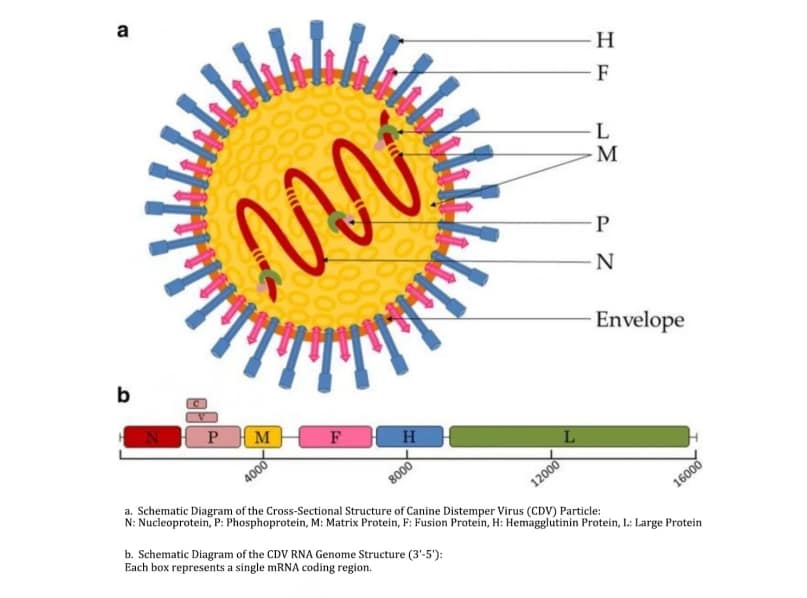
Canine distemper virus (CDV) belongs to the genus Morbillivirus within the family Paramyxoviridae. It is an enveloped, single-stranded, negative-sense RNA virus with a genome composed of 15,616 nucleotides. CDV particles are pleomorphic, predominantly spherical, with diameters ranging from 120 to 330 nm. The genome structure follows a 3′-N-P-M-F-H-L-5′ sequence, with six structural genes encoding eight proteins, separated by untranslated regions (UTRs).
CDV has low environmental resistance and is highly sensitive to ultraviolet light, drying, and heat. It loses viability within 30 minutes at 50-60°C, survives up to 3 hours at 20°C, and becomes inactive within an hour at 37°C. However, it can persist for weeks at 0-4°C and remains viable for extended periods under frozen (-70°C) or lyophilized conditions. The virus is highly sensitive to organic solvents like ether, chloroform, formaldehyde, and phenol. It can be rapidly inactivated by physical methods such as ultraviolet light, high temperatures, high pressure, or exposure to pH levels below 4.5 or above 9.0, as well as chemicals like 3% formaldehyde, 5% carbolic acid, or 3% sodium hydroxide.
Clinical Manifestations
Under natural conditions, CDV can infect most carnivorous species, including canines, hyenas, mustelids, raccoons, felines, civets, and bears, as well as pinnipeds (seals) and artiodactyls (wild boars). Recent studies show it can also infect primates like rhesus macaques and rodents. Both captive and wild animal populations have experienced fatal outbreaks. Endangered species, such as giant pandas, are also susceptible to CDV.
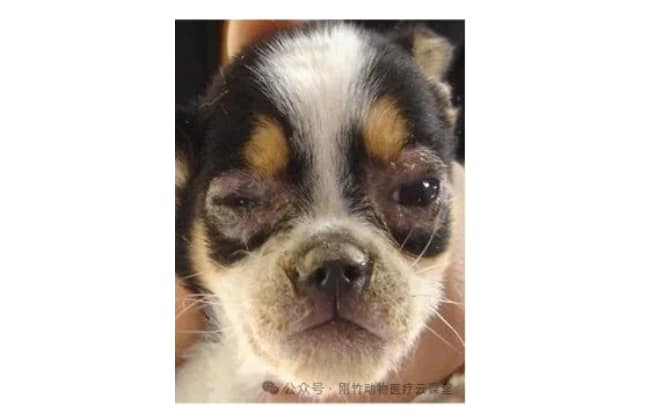
The incubation period of CDV ranges from 3 to 9 days, though it can extend to 60-90 days in rare cases. The virus affects the respiratory, immune, digestive, nervous, and circulatory systems. Symptoms vary depending on the viral strain, environmental factors, and individual immune response. Initial signs include rash, serous nasal discharge, eye secretions, conjunctivitis, and reduced appetite. This progresses to gastrointestinal symptoms (vomiting, diarrhea) and respiratory issues, often with secondary bacterial infections and neurological abnormalities.

Neurological symptoms include muscle twitching, nystagmus, ataxia, postural defects, and limb paralysis. Additional signs may include pustules or vesicles on the face and thighs, hyperkeratosis of the nose and paw pads, and severe symptoms in unvaccinated puppies, such as pneumonia, dehydration, and intestinal intussusception. Neurological issues may appear 1-3 weeks post-acute infection and often worsen progressively, potentially resulting in permanent damage, such as epilepsy, vestibular disorders, or partial paralysis.
Pathogen Diagnosis
Clinical Observation: Diagnosis is primarily based on typical respiratory, gastrointestinal, and neurological symptoms. However, overlapping symptoms with other diseases necessitate further confirmation. Rare symptoms like old dog encephalitis or hyperkeratosis of the paw pads may support diagnosis.
Pathogen Examination: Techniques like virus isolation, electron microscopy, and fluorescent antibody staining can directly identify CDV, but these are time-consuming and impractical for routine use.
Serological Tests: Neutralization tests, complement fixation, indirect enzyme-linked immunosorbent assays ( Indirect ELISA), and fluorescent antibody methods detect antibodies but may have limitations in sensitivity and specificity.
Enzyme-Linked Immunosorbent Assay (ELISA): It can semi-quantitatively analyze antibodies or antigens. While suitable for laboratory use, it is susceptible to external interference, and the result stability is relatively moderate.
Molecular Diagnosis via qPCR: Quantitative PCR detects viral RNA with high sensitivity and specificity, offering rapid and reliable results. It is widely used in laboratory diagnostics.
Inclusion Body Examination: Viral inclusion bodies in tissue samples can indicate CDV but must be differentiated from other viruses like rabies and infectious canine hepatitis.
Treatment Recommendations
1. Early and Mid-Stage Treatment
Antiviral Therapy: Use specific canine distemper serum, interferons, or antiviral drugs such as transfer factors. For early-stage infections, administer distemper serum intramuscularly at 0.1 mL/kg body weight once daily for two days. Preventive doses can be halved or adjusted by a veterinarian.
Symptomatic Treatment: Combine antibiotics (e.g., ampicillin sodium, dexamethasone, ribavirin) during fluid therapy to prevent secondary infections. Treat symptoms like respiratory issues (cough, pneumonia, fever) and gastrointestinal problems (diarrhea, vomiting, blood in stool) with corresponding medications. To prevent neurological symptoms, use medications such as cobalamin (Vitamin B12) and anti-convulsants like corticotropin or other neuroprotective agents. However, prevention of neurological complications is not always effective.
Supportive Care: Provide glucose or glucose saline solutions supplemented with energy-boosting agents such as ATP, coenzyme A, vitamin C, vitamin B6, and inosine. Use herbal or polysaccharide-based supplements to enhance immunity.Avoid excessive fluid administration to prevent pulmonary edema. Limit fluid therapy to 20-50 mL/kg body weight, and perform blood gas analysis to calculate precise electrolyte requirements if possible.
2. Late-Stage Treatment
In advanced stages, treatment options are limited. Neurological symptoms are often irreversible, and palliative care focuses on managing seizures with anticonvulsants or corticosteroids (e.g., dexamethasone). Severe neurological cases may warrant euthanasia due to poor prognosis.
Prevention Measures
Vaccination
Highly effective attenuated CDV vaccines have been widely used for years. Most manufacturers recommend three doses for puppies aged 8-16 weeks, with booster immunizations providing protection for 3-5 years.
Environmental Hygiene and Isolation
Regularly clean and disinfect pet living areas, isolate infected pets, and disinfect contaminated spaces and items. Pet owners should wash hands and change clothes after handling infected animals or their waste to avoid spreading the virus.
Immune Boosting
Provide balanced nutrition rich in protein, vitamins, and minerals. Encourage moderate exercise to strengthen the pet’s physical fitness and immunity.
Regular Health Check-ups
Schedule routine veterinary examinations, including blood tests, biochemical profiles, and qPCR diagnostics, to detect health issues early and take timely action if infection is identified.