Acinetobacter baumannii: An underrecognized but not uncommon pathogen.
Acinetobacter baumannii is a common Gram-negative opportunistic pathogen in clinical settings. It is widely distributed in the natural environment and in humans and animals. Its key characteristic is prominent multidrug resistance, and the incidence of infection in companion animals has been increasing in recent years. It can cause multiorgan infections and poses a potential risk of cross-transmission between humans and pets.
The following section outlines its key characteristics as well as the main points for diagnosis, treatment, and prevention in companion animals.
01 Bacterial Overview
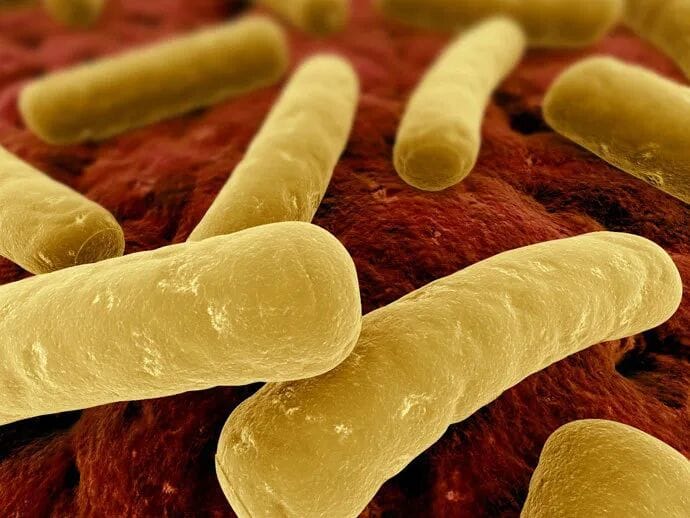
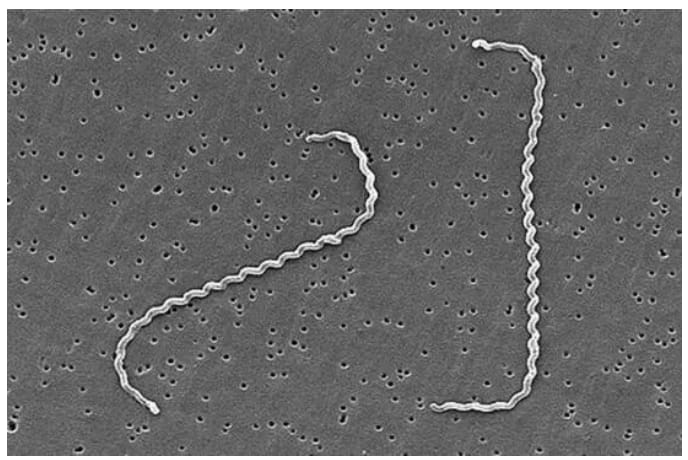
Acinetobacter baumannii is a Gram-negative short bacillus that does not form spores and lacks flagella; some strains can produce a capsule. It is strictly aerobic, has low nutritional requirements, and can grow on routine culture media. It is oxidase-negative and catalase-positive.
Key biological characteristics and virulence features:
• Strong environmental adaptability:
It is highly resistant to desiccation, low temperatures, and disinfectants. The bacterium can survive for weeks to months in water, soil, pet supplies, and medical equipment, and typically requires high-level disinfectants for complete elimination.
• Prominent antimicrobial resistance:
It is frequently associated with multidrug resistance (MDR) and extensively drug resistance (XDR), showing resistance to multiple antibiotics. Among them, carbapenem-resistant strains (CRAB) represent a major challenge in veterinary clinical treatment.
• Virulence factors:
These include capsules, outer membrane proteins, and lipopolysaccharides (LPS). The bacterium generally has moderate virulence, but can readily colonize and cause disease when the host immune system is compromised.
• Colonization characteristics:
It can widely colonize the skin and mucosal surfaces of humans and animals. Colonization rates are particularly high in hospital environments and multi-pet households, making it a potential source of infection.
02 Life Cycle
The life cycle of Acinetobacter baumannii is characterized by the sequence of “colonization – transmission – infection.” It has no strict host specificity and can spread between humans and pets, as well as among pets. The key features are as follows:
• Colonization sites:
It primarily colonizes the skin, respiratory tract, urogenital tract, and intestinal mucosa of humans and animals. In companion animals, it may also be present on paws and fur, usually without causing clinical symptoms during colonization.
• Routes of transmission:
Transmission occurs mainly through direct contact, followed by environmental transmission. In veterinary hospitals, iatrogenic transmission via medical instruments or healthcare personnel is a common cause of nosocomial infections.
• Environmental survival:
The bacterium can survive for 2–4 weeks in dry environments at room temperature and several months in humid environments. Routine cleaning is often insufficient for elimination, and high-efficiency disinfection is required.
• Conditions for infection:
Healthy pets usually do not develop disease. However, infection may occur when there is immunosuppression, damage to skin or mucosal barriers, long-term hospitalization or invasive procedures, or misuse of antibiotics.
03 Infection Trends in Companion Animals
With the increasing density of pet ownership and the misuse of antibiotics, infections caused by Acinetobacter baumannii in companion animals have shown a rising trend in recent years. The key trends are as follows:
• Susceptible animals:
Dogs and cats are the primary affected species, with higher infection rates reported in dogs than in cats. Elderly animals, severely ill pets, those with prolonged hospitalization, or with underlying diseases have a significantly higher risk of infection.
• High-risk settings:
Veterinary hospitals, multi-pet households, contaminated outdoor environments, and animals receiving long-term antibiotic therapy present a higher risk of cross-infection.
• Types of infection:
The most common infections involve the skin and wounds, urinary tract, and respiratory tract. In some cases, the infection may progress to septicemia, which carries a high mortality rate.
• Antimicrobial resistance:
The proportion of multidrug-resistant strains is increasing. Carbapenem-resistant strains (CRAB) are particularly difficult to treat and may spread between humans and animals.
• Human–pet transmission risk:
Transmission can occur bidirectionally between humans and pets. Immunocompromised individuals may be at risk of infection after contact with infected animals.
04 Clinical Signs in Infected Pets
Clinical manifestations of infections caused by Acinetobacter baumannii vary depending on the site of infection and the immune status of the animal. The main clinical presentations include:
(1) Skin and wound infections (most common)
Usually triggered by skin injury, with signs including:
Redness, swelling, and pain at the affected site, with frequent licking or scratching.
Purulent discharge and delayed wound healing; severe cases may develop ulceration.
Chronic infections may lead to alopecia and skin ulcers.
(2) Urinary tract infections
More commonly observed in dogs, presenting with:
Frequent urination, urgency, and dysuria, with repeated licking of the urethral opening.
Cloudy or foul-smelling urine; severe cases may show hematuria or pyuria.
Ascending infections may cause pyelonephritis and renal impairment.
(3) Respiratory infections
More frequent in immunocompromised pets, with symptoms such as:
Coughing, purulent nasal discharge, nasal congestion, and rapid breathing.
Pulmonary crackles; severe cases may present open-mouth breathing and high fever, potentially progressing to respiratory failure.
(4) Systemic infection (septicemia)
A severe and life-threatening condition with high mortality, characterized by:
High fever or hypothermia, extreme lethargy, anorexia, and dehydration.
Subcutaneous hemorrhage and jaundice.
In severe cases, shock and multi-organ failure, which may lead to death within a short period.
(5) Other infections
In some cases, infections may involve the abdominal cavity, bones (osteomyelitis), or eyes, with clinical signs varying depending on the affected site.
05 Treatment Strategy
The management of infections caused by Acinetobacter baumannii should follow the principles of accurate diagnosis, standardized antimicrobial therapy, and supportive care. Empirical or indiscriminate medication should be avoided, and treatment should be guided by bacterial culture and antimicrobial susceptibility testing.
(1) Confirmatory diagnosis
Bacterial infection should be confirmed using PCR detection for Acinetobacter baumannii. Samples from the infection site should be collected for bacterial culture and antimicrobial susceptibility testing. Additional examinations, such as complete blood count and liver/kidney function tests, help assess the severity of infection.
(2) Antibiotic therapy (core treatment)
Antibiotic treatment should follow the principles of adequate dosage, sufficient treatment duration, and combination therapy when necessary, based on susceptibility results:
Susceptible strains: β-lactam/β-lactamase inhibitor combinations or fluoroquinolones, treatment course 7–14 days.
Multidrug-resistant (MDR) strains: Carbapenems, treatment course 14–21 days, with careful monitoring for adverse effects.
Extensively drug-resistant (XDR) strains: Polymyxins, often combined with rifampicin or minocycline, treatment course ≥21 days.
Antibiotics should not be discontinued or changed arbitrarily, as this may lead to relapse and further resistance development.
(3) Local treatment
Skin/wound infections: Remove pus and necrotic tissue, disinfect the area, and apply topical antibiotic ointment; severe abscesses may require incision and drainage.
Urinary tract infections: Encourage increased water intake and diuresis; catheterization and bladder irrigation may be required when necessary.
Respiratory infections: Nebulization therapy may help facilitate mucus clearance.
Ocular infections: Irrigate with sterile saline and apply antibiotic eye drops based on susceptibility.
(4) Supportive therapy
Intravenous fluid therapy to correct dehydration and electrolyte imbalance.
Enteral (nasogastric) or parenteral nutrition to provide energy and vitamins.
Use of hepatoprotective and renoprotective agents to reduce antibiotic-associated organ stress.
Antipyretic and analgesic therapy to relieve symptoms and minimize stress.
(5) Management of underlying diseases
Underlying conditions should be actively treated. Unnecessary corticosteroids, immunosuppressants, and broad-spectrum antibiotics should be discontinued to reduce predisposing factors for infection.
06 Precautions
The key to controlling infections caused by Acinetobacter baumannii is prevention first, standardized medical management, and prevention of cross-infection. The following points are particularly important:
• Rational antibiotic use:
Antibiotics should be used under veterinary guidance. Avoid misuse or overuse, ensure adequate dosage and treatment duration, and do not discontinue or switch drugs arbitrarily.
• Environmental disinfection:
Pet supplies should be disinfected regularly (e.g., weekly) using high-efficiency disinfectants. Maintain good ventilation and a dry environment, and promptly remove secretions and contaminants.
• Skin protection:
Regular nail trimming and grooming can help prevent skin injuries. Any wounds or skin diseases should be treated promptly.
• Reduction of iatrogenic infection:
Choose qualified veterinary hospitals. During hospitalization, limit contact between pets and strengthen infection control and disinfection practices.
• Immune support:
Provide a balanced diet, ensure regular health examinations and vaccination, and avoid long-term stress in pets.
• Prevention of human–pet transmission:
Wash hands after handling pet secretions, and avoid letting pets contact open wounds. Immunocompromised individuals should minimize contact with infected animals.
• Prompt veterinary consultation:
If abnormal symptoms appear, seek veterinary care immediately. Bacterial culture and antimicrobial susceptibility testing should be performed to prevent infection spread.
• Control of antimicrobial resistance:
After recovery from infections caused by resistant strains, pets should undergo isolation observation and thorough environmental disinfection. Veterinary clinics should also strengthen surveillance of antimicrobial resistance.
07 Conclusion
Acinetobacter baumannii is characterized by significant multidrug resistance, and the risk of infection in companion animals is increasing. Therefore, prevention and control are more important than treatment.
Rational antibiotic use, effective disinfection, skin protection, and enhancement of immune function can significantly reduce the risk of infection. Once infection occurs, timely and targeted treatment can improve recovery rates and help limit the spread of antimicrobial resistance.